.png)
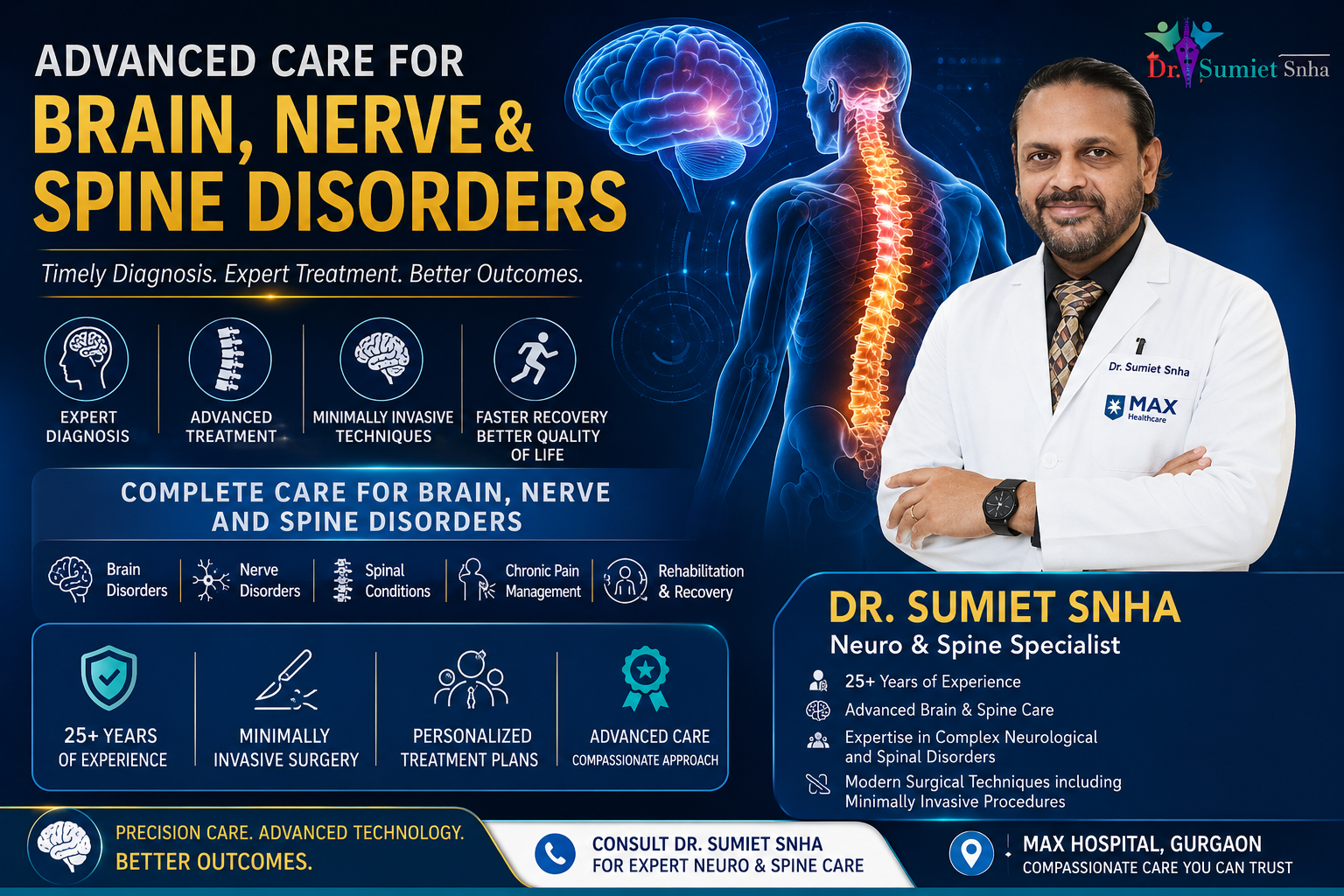
Brain, Nerve and Spine Disorders: Symptoms, Causes, Diagnosis, Treatment & Recovery
Brain, nerve, and spine health plays a vital role in movement, sensation, memory, coordination, and overall quality of life. Advances in Neuro and Spine Surgery have significantly improved the diagnosis and treatment of many complex neurological conditions, allowing patients to receive more precise and less invasive care. From persistent back pain to nerve-related disorders, timely medical evaluation can make a meaningful difference in long-term health outcomes.
Many Brain and Spine Disorders and other Neurological Disorders can be effectively managed when identified early, often reducing the need for extensive surgical treatment. Understanding the warning signs, causes, diagnostic methods, treatment options, and recovery process empowers individuals to make informed healthcare decisions. This guide explains the essentials of brain, nerve, and spine conditions while highlighting modern approaches that support safer treatment and better recovery.
Understanding Brain, Nerve and Spine Disorders
What Are Brain, Nerve and Spine Disorders?
Brain and Spine Disorders refer to a wide range of medical conditions that affect the brain, spinal cord, and the network of nerves responsible for controlling the body's essential functions. The brain acts as the body's command center, while the spinal cord carries signals between the brain and the rest of the body. Peripheral nerves extend throughout the body, enabling movement, sensation, and communication between muscles and organs. When any part of this system is damaged or affected by disease, it may lead to Neuro and Spine Disorders that influence mobility, coordination, and overall well-being.
How the Nervous System Works Together
The brain, spinal cord, and peripheral nerves function as a connected communication network. They work together to regulate balance, reflexes, muscle control, memory, and sensory responses. Conditions such as Spinal Cord Disorders or nerve compression can interrupt these signals, resulting in weakness, numbness, chronic pain, or difficulty performing everyday activities. A qualified Neurosurgeon evaluates these conditions through detailed clinical assessment and diagnostic testing to determine the most appropriate treatment plan based on each patient's individual needs.
Common Causes of Brain, Nerve and Spine Disorders
Neurological disorders and conditions affecting the brain, nerves, and spine can develop due to a combination of age-related changes, injuries, medical conditions, or inherited abnormalities. Some causes progress gradually over time, while others occur suddenly and require immediate medical attention. Identifying the underlying cause is essential because treatment varies depending on the affected area and the severity of the condition. In some cases, conservative care is sufficient, whereas advanced conditions may require Brain Surgery or Spine Surgery to relieve pressure on the brain, spinal cord, or nerves and restore function.
Common causes include:
- Natural aging that leads to wear and tear of the spine and nervous system.
- Herniated Disc causing pressure on nearby nerves.
- Spinal Stenosis, where the spinal canal becomes narrowed.
- Cervical Spondylosis due to age-related degeneration of the neck.
- Brain tumors that affect normal brain function.
- Spinal tumors that compress the spinal cord or nerves.
- Stroke resulting from interrupted blood supply to the brain.
- Head injuries caused by accidents or falls.
- Spinal injuries from trauma, sports, or road accidents.
- Diabetes-related nerve damage (diabetic neuropathy).
- Infections involving the brain, spinal cord, or surrounding tissues.
- Congenital disorders present from birth that affect the brain or spine.
Symptoms You Should Never Ignore
The symptoms of Neuro and Spine Disorders can vary depending on the affected part of the brain, spinal cord, or peripheral nerves. While some symptoms develop gradually, others may appear suddenly and require urgent medical evaluation. Ignoring persistent neurological or spinal symptoms can delay diagnosis and increase the risk of long-term complications. Early assessment helps identify the underlying cause and allows appropriate treatment before the condition progresses.
Common warning signs include:
- Persistent headaches that become frequent or unusually severe.
- Chronic Back Pain that limits daily activities or does not improve with rest.
- Ongoing Neck Pain accompanied by stiffness or reduced movement.
- Numbness or tingling in the arms, hands, legs, or feet.
- Muscle weakness affecting grip strength or walking ability.
- Difficulty walking, climbing stairs, or maintaining coordination.
- Balance problems or frequent unexplained falls.
- Vision changes such as blurred or double vision.
- Memory issues, confusion, or difficulty concentrating.
- Seizures or sudden episodes of unconsciousness.
- Sciatica causes pain that radiates from the lower back into the leg.
- Symptoms of Nerve Compression, including burning pain, weakness, or loss of sensation.
- Loss of bladder or bowel control, which requires immediate emergency medical attention.
Diagnosis of Brain, Nerve and Spine Disorders
Accurate diagnosis is the foundation of effective treatment for brain, nerve, and spine conditions. A Neuro Spine Specialist or Neurosurgeon begins with a detailed medical history to understand symptoms, their duration, previous illnesses, injuries, and family history. This is followed by a neurological examination to evaluate muscle strength, reflexes, coordination, sensation, balance, and cognitive function. Depending on the suspected condition, diagnostic tests such as MRI, CT scan, X-rays, electromyography (EMG), nerve conduction studies, blood tests, and advanced neurological imaging may be recommended to identify structural or nerve-related abnormalities. Early diagnosis allows timely treatment, helps prevent disease progression, reduces the risk of permanent neurological damage, and improves the chances of better recovery and long-term quality of life.
Treatment Options for Brain, Nerve and Spine Disorders
The treatment of brain, nerve, and spine conditions depends on the underlying diagnosis, symptom severity, and the patient's overall health. Many disorders respond well to conservative treatment, while others may require advanced surgical intervention. A personalized treatment plan aims to relieve symptoms, restore function, and improve long-term quality of life.
Non-Surgical Treatments
For many patients, treatment begins with non-surgical approaches, including medications to reduce pain and inflammation, physiotherapy to improve mobility and strength, lifestyle modifications such as weight management and posture correction, pain management techniques, structured rehabilitation programs, and exercise therapy. These treatments can help control symptoms, improve daily function, and may delay or eliminate the need for surgery in selected cases.
When Is Neuro and Spine Surgery Recommended?
Neuro and Spine Surgery may be recommended when progressive weakness, severe nerve compression, brain tumors, spinal cord compression, a Herniated Disc, failed conservative treatment, or emergency neurological conditions threaten nerve function or overall health. Depending on the condition, modern procedures such as Minimally Invasive Spine Surgery, Endoscopic Spine Surgery, Brain Surgery, and Spine Surgery may be considered to reduce pressure on affected structures, improve neurological function, and support a faster recovery with less tissue disruption whenever clinically appropriate.
Recovery After Brain and Spine Treatment
Recovery after treatment for brain, nerve, or spinal conditions varies depending on the diagnosis, the type of procedure performed, and the individual's overall health. Following Spine Surgery or other neurological treatments, patients may require a short hospital stay before beginning early mobilization under medical supervision. Physiotherapy and Neuro Rehabilitation play an important role in restoring strength, balance, coordination, and independence. Effective pain management, a balanced diet, regular follow-up appointments, and gradual physical activity support the healing process. Returning to work should be based on medical advice and the patient's progress. Continuing long-term exercise, maintaining good posture, and adopting healthy lifestyle habits can help reduce the risk of recurrence and manage Chronic Back Pain, allowing patients to improve mobility and maintain a better quality of life.
Recovery Timeline
|
Recovery Stage |
What to Expect |
|
Hospital Stay |
Medical monitoring, pain control, and initial recovery after treatment or surgery. |
|
First Few Days |
Early mobilization, gentle walking, and basic daily activities under supervision. |
|
First Few Weeks |
Physiotherapy, Neuro Rehabilitation, wound care (if applicable), and gradual improvement in strength and mobility. |
|
Returning to Work |
Depends on recovery progress, occupation, and the treating specialist's advice. |
|
Long-Term Recovery |
Regular exercise, healthy nutrition, follow-up visits, posture correction, and preventive care to maintain brain and spine health. |
Tips to Maintain Long-Term Brain and Spine Health
Maintaining a healthy brain and spine requires consistent lifestyle habits that support the nervous system and reduce the risk of Brain and Spine Disorders. Simple preventive measures can improve mobility, protect nerve function, and contribute to long-term well-being. Consider these practical tips:
- Exercise regularly to improve strength, flexibility, and balance.
- Maintain good posture while sitting, standing, and working.
- Lift heavy objects using proper body mechanics to reduce spinal strain.
- Include calcium-rich foods and adequate Vitamin D in your diet to support bone health.
- Maintain a healthy body weight to reduce stress on the spine.
- Avoid smoking, as it can affect blood circulation and slow tissue healing.
- Manage diabetes effectively to lower the risk of nerve damage.
- Stay physically active with age-appropriate activities and stretching exercises.
- Schedule regular neurological and spinal health checkups with a qualified Spine Specialist, especially if you experience persistent symptoms or have risk factors.
When Should You Consult a Neuro Spine Specialist?
Consulting a Neuro Spine Specialist is important if neurological or spinal symptoms persist, worsen over time, or begin to interfere with everyday activities. Seek medical evaluation if you experience persistent numbness, progressive muscle weakness, difficulty walking, severe headaches, Chronic Neck Pain, Chronic Back Pain, balance problems, or loss of bladder or bowel control. These symptoms may indicate underlying nerve, brain, or spinal conditions that require timely diagnosis. Early assessment helps identify the cause, allows appropriate treatment, and determines whether Neuro and Spine Surgery or non-surgical management is the most suitable option.
About Dr. Sumiet Snha
Dr. Sumiet Snha is a Neuro & Spine Specialist with more than 25+ years of experience in advanced brain and spine care. As Vice Chairman – Neurosciences (Neurology & Spine) at MAX Hospital, Gurgaon, he specializes in diagnosing and treating complex neurological and spinal disorders using evidence-based approaches. His expertise includes modern Neuro and Spine Surgery, including minimally invasive surgical techniques, with a focus on personalized treatment plans that support improved outcomes, faster recovery, and long-term neurological health.
Frequently Asked Questions
1. What are Brain and Spine Disorders?
Brain and Spine Disorders are conditions that affect the brain, spinal cord, or nerves, potentially impacting movement, sensation, coordination, memory, and other neurological functions.
2. What causes neurological disorders?
Neurological disorders can result from aging, genetic conditions, infections, trauma, stroke, tumors, degenerative diseases, or metabolic conditions such as diabetes.
3. What are the early symptoms of nerve damage?
Common early symptoms include numbness, tingling, burning sensations, muscle weakness, reduced coordination, and persistent pain in the arms or legs.
4. When is Neuro and Spine Surgery necessary?
Neuro and Spine Surgery may be recommended when conservative treatments fail or when conditions such as severe nerve compression, spinal cord compression, brain tumors, or progressive neurological weakness require surgical intervention.
5. Is Neuro and Spine Surgery Safe?
Modern surgical techniques, advanced imaging, and experienced specialists have improved the safety of many neurological and spinal procedures. However, every treatment should be evaluated based on the patient's individual condition.
6. What is Minimally Invasive Spine Surgery?
Minimally Invasive Spine Surgery uses smaller incisions and specialized instruments to treat selected spinal conditions, often reducing tissue damage, postoperative pain, and recovery time.
7. How are Brain and Spine Disorders diagnosed?
Diagnosis typically includes a detailed medical history, neurological examination, MRI, CT scan, X-rays, EMG, nerve conduction studies, blood tests, and other advanced imaging when required.
8. What is the recovery time after Spine Surgery?
Recovery varies depending on the procedure and the patient's overall health. Some patients recover within a few weeks, while complex surgeries may require several months of rehabilitation.
9. Can physiotherapy help avoid surgery?
Yes. In many cases, physiotherapy, combined with medication, exercise, and lifestyle modifications, can relieve symptoms and reduce the need for surgery.
10. What are the symptoms of spinal cord compression?
Symptoms may include neck or back pain, numbness, weakness, balance problems, difficulty walking, and, in severe cases, loss of bladder or bowel control.
11. When should I consult a Neuro Spine Specialist?
Consult a Neuro Spine Specialist if you experience persistent headaches, chronic neck or back pain, numbness, muscle weakness, balance problems, or symptoms that interfere with daily activities.
12. Can Brain and Spine Disorders be prevented?
Although not all conditions are preventable, maintaining a healthy lifestyle, exercising regularly, avoiding smoking, practicing good posture, and seeking early medical evaluation can reduce the risk of many neurological and spinal disorders.
Conclusion
Brain and Spine Disorders can affect people of all ages, but timely recognition of symptoms and early diagnosis often lead to better treatment outcomes. Many neurological conditions respond well to medication, rehabilitation, or lifestyle changes, meaning that not every patient requires Neuro and Spine Surgery. Ongoing advances in minimally invasive techniques continue to improve treatment precision and recovery for suitable candidates. If you experience persistent neurological or spinal symptoms, consulting a qualified Neuro Spine Specialist can help ensure an accurate diagnosis and a personalized treatment plan based on your individual healthcare needs.
.jpg)
.jpg)
.jpg)



Write a Comment