.png)
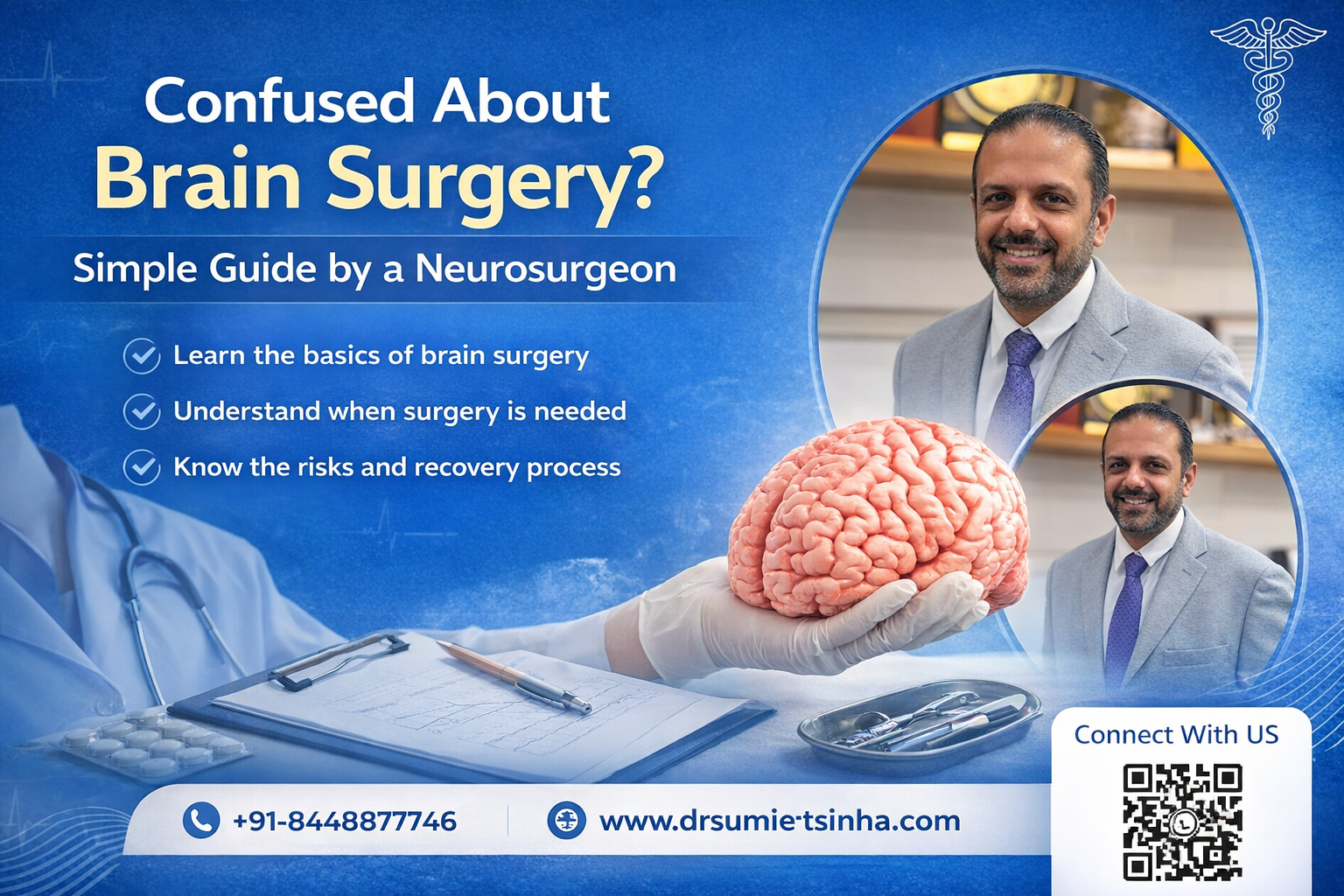
Confused About Brain Surgery? Simple Guide by a Neurosurgeon
Feeling confused or scared about brain surgery is very common. Many patients and their families have questions and worries before making a decision. This Brain Surgery Guide is created to give you clear and simple Brain Surgery Information so you can understand everything without stress. It explains what brain surgery means, when it is needed, and how it can help improve your health.
With expert guidance from Dr. Sumiet Snha, who has over 25 years of experience and has successfully performed 10,000+ brain surgeries, this guide shares trusted and practical knowledge. The aim is to remove fear and give you confidence by explaining each step in an easy way. When you have the right information and support, it becomes easier to make the right decision for your health and move forward with confidence.
Understanding Brain Surgery Without Fear – A Simple Brain Surgery Guide
Feeling worried about brain surgery is natural. Many people feel confused and scared when they first hear about it. This Brain Surgery Guide is designed to help you understand things in a simple and clear way. With the right Brain Surgery Information, you can reduce fear and feel more confident about your decisions. When you know what to expect, it becomes easier to face the situation calmly.
This guide is based on the expert experience of Dr. Sumiet Snha, who has more than 25 years of neurosurgical experience and has successfully performed over 10,000 brain surgeries. In this Brain Surgery Guide, everything is explained in easy words so that patients and families can understand without confusion. The aim is to give you trusted knowledge that helps you move forward with clarity and confidence.
What Does Brain Surgery Really Mean? – Clear Brain Surgery Information
A Simple Explanation for Patients
Brain surgery is a medical procedure used to treat problems inside the brain when medicines alone are not enough. In simple words, doctors carefully operate on the brain to remove, repair, or control serious conditions. Many people think it is always dangerous, but with modern technology and expert care, it is much safer today. This Brain Surgery Information helps patients understand that surgery is only suggested when it is truly needed. It plays an important role in saving life, improving health, and reducing serious symptoms.
Common Conditions That May Need Surgery
According to a trusted Brain Surgeon Dr. Sumiet snha surgery is required for certain critical conditions. Brain tumors are one of the most common reasons, where removal is needed to stop growth. Head injuries from accidents may need surgery to reduce pressure on the brain. Some nerve-related disorders can affect movement or thinking and require surgical treatment. In cases of bleeding or swelling inside the brain, quick surgery becomes necessary to prevent further damage and protect the patient’s life.
When Do Doctors Recommend Brain Surgery? – Clear Signs You Should Know
Warning Signs You Should Not Ignore
Doctors usually recommend brain surgery only when symptoms become serious and cannot be controlled with medicines. It is important to understand the warning signs early. Frequent headaches that do not go away with normal treatment can be a sign of a deeper problem. Seizures (fits) are another major signal that something is affecting the brain’s normal function.
You should also pay attention to weakness or numbness in the body, especially on one side, as it may indicate nerve or brain issues. Problems like blurred vision, double vision, or difficulty in speaking should never be ignored. These symptoms may seem small at first, but they can point to serious conditions that need timely medical care.
How Specialists Decide the Right Treatment
Before suggesting surgery, doctors follow a careful and detailed process. They start with advanced tests like MRI (Magnetic Resonance Imaging) and CT scans, which help in clearly identifying the problem inside the brain. These scans provide accurate images that guide the treatment plan.
Next, the doctor reviews the patient’s complete medical history, including past illnesses, symptoms, and overall health condition. After this, an expert evaluation by a neurosurgeon like Dr. Sumiet Snha is done. With years of experience, he carefully studies each case and decides whether surgery is the best and safest option for the patient.
Types of Brain Surgery Explained in Simple Words – A Complete Brain Surgery Guide
Traditional (Open) Brain Surgery
In this Brain Surgery Guide, traditional or open brain surgery is explained as a procedure where the surgeon makes a larger opening in the skull to reach the affected area. During this process, the doctor carefully removes tumors, repairs damaged tissues, or controls bleeding. It is usually required in serious conditions where direct access to the brain is necessary. This method allows the surgeon to clearly see and treat complex problems with better control and accuracy.
Minimally Invasive Brain Surgery
This Brain Surgery Guide also includes modern techniques like minimally invasive surgery. In this method, doctors use smaller cuts, special tools, and cameras to perform the procedure. It causes less pain, reduces risk, and helps in faster recovery. Patients can return to normal life more quickly compared to traditional surgery. These advanced methods are becoming popular because they are safer and more comfortable for patients.
Advanced Technology in Neurosurgery
With the help of this Brain Surgery Guide, it is important to understand how technology has improved brain surgery. Dr. Sumiet snha now used navigation systems and high-tech equipment to perform 10000+ brain surgeries with great accuracy. These tools help in locating the exact problem area and reduce damage to healthy tissues. This leads to high precision and better safety, making brain surgery more successful and reliable than before.
Types of Brain Surgery Explained in Simple Words – A Complete Brain Surgery Guide
Traditional (Open) Brain Surgery
In this Brain Surgery Guide, traditional or open brain surgery is explained as a procedure where the surgeon makes an opening in the skull to reach the affected area. During the procedure, I carefully treat the problem by removing tumors, stopping bleeding, or repairing damaged tissues. This type of surgery is required in serious cases where direct access to the brain is necessary. It is commonly used for large tumors, severe injuries, or complex brain conditions that need clear visibility and control.
Minimally Invasive Brain Surgery
According to this Brain Surgery Guide, minimally invasive brain surgery is a modern approach that uses smaller cuts and advanced tools. Dr. Sumiet snha uses special cameras and instruments to perform the surgery with less damage to surrounding tissues. The biggest advantage is faster recovery, less pain, and shorter hospital stay. This method is suitable for selected cases where the problem can be treated without opening a large area of the skull.
Advanced Technology in Neurosurgery
This Brain Surgery Guide highlights the role of advanced technology in making brain surgery safer and more effective. Today, neurosurgeons use navigation systems, high-resolution imaging, and precision tools to locate the exact problem area. These technologies help in performing surgery with high accuracy and better safety, reducing risks and improving outcomes for patients.
Risks vs Benefits: What Patients Should Know – A Clear Brain Surgery Guide
Possible Risks of Brain Surgery
In this Brain Surgery Guide, it is important to understand that every surgery has some risks, but they are carefully managed by expert doctors. Some common risks include infection, which can occur after the procedure but is controlled with proper care and medicines. Bleeding is another possible risk, especially in complex cases, but doctors take strong precautions to prevent it. There can also be temporary or rare complications, such as weakness, memory issues, or changes in speech, depending on the area of the brain involved. However, with experienced neurosurgeons and modern technology, these risks are reduced significantly.
Benefits That Make Surgery Necessary
This Brain Surgery Guide also highlights why surgery is often the best and necessary option. In many cases, brain surgery helps in saving life, especially during serious conditions like tumors or bleeding. It also plays a key role in improving quality of life by restoring normal brain function. Many patients experience relief from long-term problems as surgery helps in reducing pain and other symptoms. When doctors recommend surgery, it is usually because the benefits are much greater than the risks.
How to Prepare for Brain Surgery – A Practical Brain Surgery Guide
Steps Before the Surgery Day
This Brain Surgery Guide explains that proper preparation helps reduce stress and improves results. Before surgery, patients go through important medical tests like blood tests, MRI, or CT scans to understand the exact condition. A detailed doctor consultation is done to explain the procedure, risks, and expected outcome. Patients should also focus on mental preparation by staying calm, asking questions, and trusting the medical team. Simple steps like following diet advice, stopping certain medicines (if advised), and arranging support at home can make the process smoother.
Questions You Should Ask Your Neurosurgeon
According to this Brain Surgery Guide, asking the right questions builds confidence and clarity. You should ask about the success rate of the surgery based on your condition. It is also important to understand the recovery time, including hospital stay and return to normal life. Do not forget to discuss the risks involved and how they will be managed. Clear communication with your neurosurgeon helps you feel informed, prepared, and more confident before the surgery.
What Happens During the Brain Surgery Process? – A Clear Brain Surgery Guide
Step-by-Step Overview
This Brain Surgery Guide helps you understand what actually happens during the surgery in a simple way. The process begins with anesthesia, where the patient is given medicine to stay asleep and feel no pain during the operation. Once the patient is stable, the surgical procedure starts, where the neurosurgeon carefully treats the problem, such as removing a tumor or controlling bleeding.
Throughout the surgery, advanced monitoring systems are used to check vital signs like heart rate, oxygen level, and brain activity. These systems help ensure that the patient remains safe at every step. Each stage is done with full care and planning to achieve the best possible outcome.
Role of the Neurosurgeon and Medical Team
According to this Brain Surgery Guide, the success of brain surgery depends greatly on the expertise of the neurosurgeon and the support team. A skilled neurosurgeon performs the procedure with precision and careful decision-making. The medical team, including anesthetists and nurses, plays an important role in maintaining patient safety.
Strict safety measures during surgery are followed, such as maintaining a sterile environment and using advanced equipment. This teamwork and experience help reduce risks and improve the chances of a successful surgery.
Recovery After Brain Surgery: What to Expect – A Simple Brain Surgery Guide
Immediate Recovery Phase
This Brain Surgery Guide explains that healing begins just after the surgery ends. Patients are moved to the ICU, where they receive close attention from doctors and nurses. In this stage, the main focus is on keeping the patient stable and comfortable. Regular monitoring of breathing, heartbeat, and brain response is done to make sure everything is normal. It is common to feel tired, slightly confused, or weak at first, but these feelings usually improve with proper care and rest.
Long-Term Healing and Lifestyle Changes
As shared in this Brain Surgery Guide, recovery does not end in the hospital. After discharge, patients may need rehabilitation to regain strength, balance, or speech. Regular follow-up visits are important so the doctor can check progress and guide further care. Patients are advised to take proper rest, eat healthy food, and avoid heavy work in the beginning. With patience and support, most people slowly improve and make a safe return to their daily routine.
Choosing the Right Neurosurgeon Matters – A Smart Brain Surgery Guide
Qualities of a Trusted Brain Specialist
This Brain Surgery Guide explains that selecting the right neurosurgeon is one of the most important decisions for any patient. A good specialist should have strong experience and skills in handling different brain conditions. It is also helpful to check patient reviews, as they give real insight into the doctor’s care and results. Another key factor is hospital support, including modern equipment and a trained medical team. These elements together ensure safe treatment and better outcomes for patients.
Why Trust Dr. Sumiet snha
According to this Brain Surgery Guide, Dr. Sumiet snha is a highly experienced neurosurgeon known for his expertise in brain and spine care. With years of practical knowledge, he focuses on providing the right treatment for each patient. His patient-focused approach ensures that every individual receives personal attention and clear guidance. He also uses advanced techniques and modern technology to perform surgeries with precision and safety, helping patients achieve better recovery and long-term results.
Final Thoughts: Making the Right Decision with Confidence
This Brain Surgery Guide is designed to help you take the right step with clear understanding and confidence. Brain surgery can feel confusing at first, but when you have the right information, it becomes easier to make a well-informed decision. Learning about your condition, treatment options, and possible outcomes helps you stay prepared and reduces unnecessary fear.
Taking advice from a 25 year experienced specialist is very important. A skilled neurosurgeon can carefully study your condition and guide you toward the safest and most suitable treatment plan. Expert support ensures that every step is planned with care, which improves safety and results. Consulting a trusted professional like Dr. Sumiet snha can give you the clarity and confidence needed before making any final decision.
Always remember that proper medical help is available, and you do not have to face this journey alone. With the right guidance, support, and mindset, you can move forward with confidence and focus on recovery and better health.
Frequently Asked Questions (FAQs) – Brain Surgery Guide
Is brain surgery safe?
Brain surgery is generally safe when performed by an experienced neurosurgeon using modern technology and proper medical care. Every surgery has some risks, but these risks are carefully managed with advanced techniques and monitoring systems. According to Dr. Sumiet snha , safety depends on the patient’s condition, the type of surgery, and timely treatment. With expert planning and skilled hands, the chances of a successful outcome are much higher.
How long does recovery take?
Recovery time after brain surgery is different for every patient. Some people recover within a few weeks, while others may take a few months depending on the complexity of the surgery. As explained by Dr. Sumiet snha , initial recovery starts in the hospital, but full healing continues at home with proper care, rest, and follow-up visits. Rehabilitation may also be needed in some cases to regain normal strength and function.
Can brain surgery cure all problems?
Brain surgery is an effective treatment for many serious conditions, but it may not cure every problem completely. Its main goal is to remove the cause, control symptoms, or improve quality of life. Dr. Sumiet snha explains that the outcome depends on the type of condition, stage of disease, and overall health of the patient. In many cases, surgery brings significant improvement and prevents further complications.
What is the success rate?
The success rate of brain surgery depends on the condition being treated, the patient’s health, and the expertise of the surgeon. In many cases, the success rate is quite high with modern techniques and proper care. According to Dr. Sumiet snha , early diagnosis and timely surgery play a key role in improving results. Advanced equipment and skilled surgical methods also increase the chances of a positive outcome.
When should I consult a neurosurgeon?
You should consult a neurosurgeon if you experience symptoms like severe headaches, seizures, weakness, numbness, or problems with vision or speech. Ignoring these signs can delay proper treatment. Dr. Sumiet snha advises that early consultation helps in accurate diagnosis and better treatment planning.
.jpg)
.jpg)
.jpg)



Write a Comment