.png)
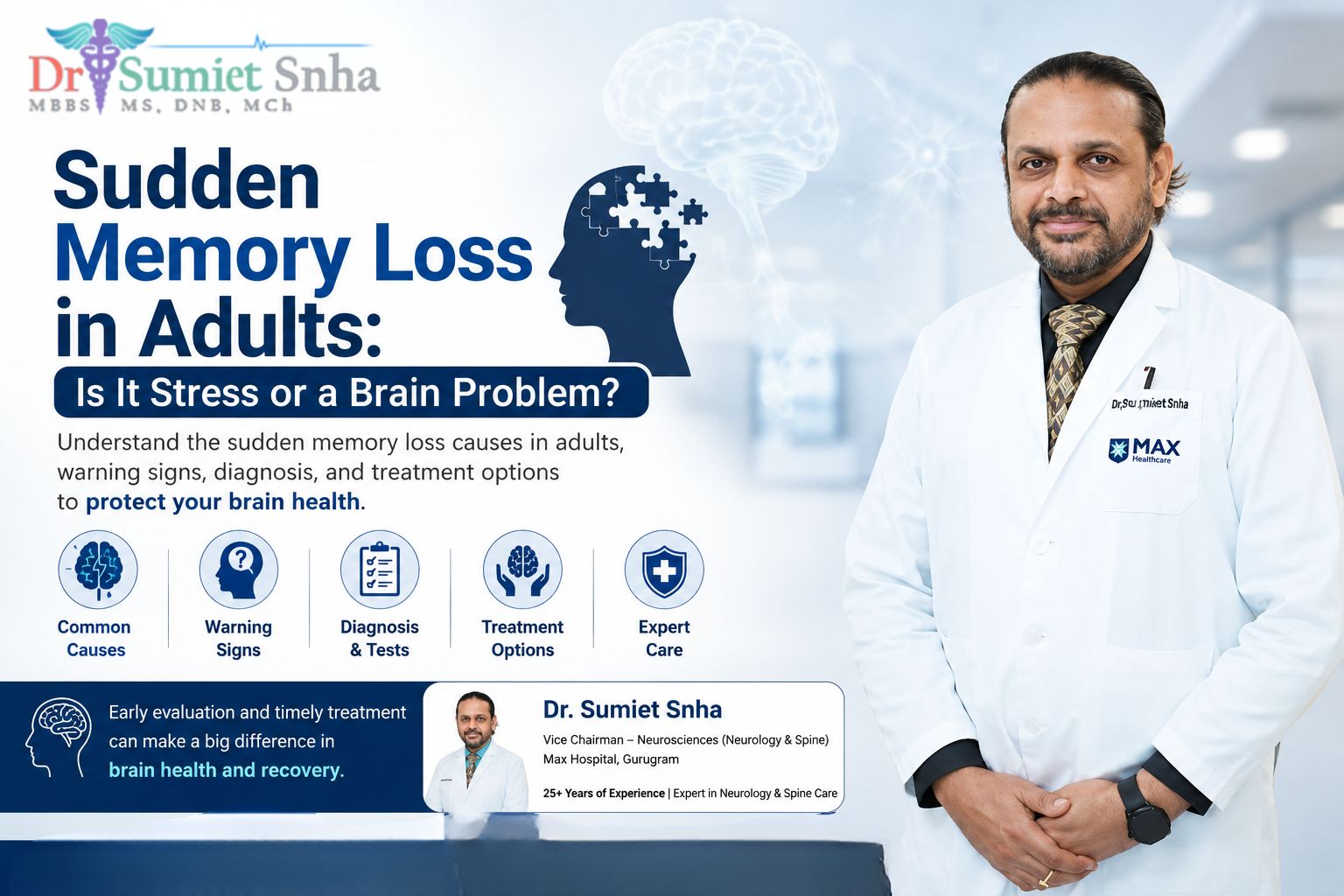
Sudden Memory Loss in Adults Causes Symptoms and Treatment
Sudden memory loss can be alarming, especially when it occurs without warning and begins to interfere with everyday activities. While occasional forgetfulness is common, an unexpected inability to recall recent events, conversations, or important information may indicate a deeper concern. Understanding the sudden memory loss causes in adults is essential for identifying whether the problem is temporary or requires immediate medical evaluation.
Many adults experience short-term memory difficulties because of chronic stress, poor sleep, anxiety, or lifestyle factors. However, in some cases, sudden memory loss may be linked to neurological conditions such as stroke, seizures, head injuries, or other brain disorders. Knowing the difference between stress-related memory problems and serious medical conditions can help individuals seek timely care, protect their brain health, and improve long-term cognitive well-being.
What Is Sudden Memory Loss in Adults?
Understanding Sudden Memory Loss
Sudden memory loss in adults refers to an unexpected difficulty in recalling recent events, conversations, names, or other important information. It may affect short-term memory, which stores new information for a limited time, or long-term memory, which retains memories for months or years. Some episodes are temporary and improve once the underlying trigger is treated, while others may become persistent and require medical evaluation. Common causes of sudden memory loss include stress, sleep deprivation, medication side effects, nutritional deficiencies, head injuries, and certain neurological conditions. Recognizing these adult memory problems early can help prevent complications and support better cognitive health
Common Sudden Memory Loss Causes in Adults
Understanding the sudden memory loss causes in adults is important because memory problems can develop from everyday lifestyle habits or underlying medical conditions. While some cases are temporary and improve with proper care, others require professional medical evaluation. Some of the most typical causes are as follows:
Stress and Anxiety
- Chronic stress can affect the brain's ability to store and recall information.
- Memory loss due to stress is often temporary and may improve with relaxation, counseling, and better sleep habits.
- Persistent stress and memory issues might impair focus and decision-making skills.
Lack of Sleep
- Poor-quality or insufficient sleep prevents the brain from processing and storing new memories.
- Sleep deprivation is a leading cause of temporary memory loss in adults, especially among busy professionals and shift workers.
Vitamin Deficiency
- Deficiencies in Vitamin B12, Vitamin D, and folate can negatively affect brain function.
- Proper nutrition supports healthy nerve function and cognitive performance.
Medication Side Effects
- Certain prescription medicines, including some sleeping pills, antidepressants, and anti-anxiety medications, may temporarily affect memory.
- Consult a healthcare professional before stopping or changing any medication.
Alcohol or Drug Use
- Excessive alcohol consumption and recreational drug use can interfere with normal brain activity and memory formation.
- Long-term misuse may increase the risk of lasting cognitive impairment.
Head Injury
- Even a mild concussion can cause temporary forgetfulness, while severe head trauma may result in significant memory difficulties.
- Anyone experiencing sudden memory changes after a head injury should seek immediate medical attention.
Identifying the sudden memory loss causes in adults at an early stage helps determine whether symptoms are linked to lifestyle factors or a more serious neurological condition, allowing timely treatment and better long-term brain health.
When Could Memory Loss Be a Brain Problem?
Not every episode of forgetfulness is harmless. In some cases, brain problems causing memory loss may require immediate medical attention. Conditions such as stroke, dementia, brain tumors, epilepsy, and other neurological causes of memory loss can interfere with the brain's ability to process and store information. These conditions are often accompanied by additional symptoms, including confusion, difficulty speaking, personality changes, seizures, poor coordination, or weakness on one side of the body. Recognizing these signs of brain disorders early is essential for timely diagnosis and treatment. If sudden memory loss occurs with any neurological symptoms or continues to worsen over time, consulting a neurologist as soon as possible can help identify the underlying cause and improve the chances of effective medical management.
Stress vs Brain Disorder Comparison
Understanding the difference between memory loss due to stress and brain problems causing memory loss can help you recognize when professional medical care may be needed. While stress-related memory issues are often temporary, brain-related conditions usually require prompt diagnosis and treatment.
|
Feature |
Stress-Related Memory Loss |
Brain-Related Memory Loss |
|
Onset |
Often develops during stressful periods |
May occur suddenly or progress gradually |
|
Duration |
Usually temporary and improves over time |
Can persist, worsen, or become permanent |
|
Other Symptoms |
Anxiety, fatigue, poor sleep, reduced focus |
Confusion, speech difficulty, weakness, balance problems |
|
Improvement |
Often improves with stress management and adequate rest |
Requires medical evaluation and appropriate treatment |
|
Treatment |
Lifestyle changes, counseling, better sleep habits |
Diagnosis, neurological assessment, and specialized medical care |
Warning Signs That Need Immediate Medical Attention
Seek Emergency Care If You Notice
Knowing when to worry about memory loss can help prevent serious health complications. If memory problems appear suddenly or are accompanied by other neurological symptoms, seek emergency medical care immediately. Watch for the following memory loss symptoms:
- Sudden confusion or disorientation
- Difficulty speaking or understanding speech
- Loss of balance or coordination
- Severe, unexplained headache
- Sudden vision changes or blurred vision
- numbness or weakness on one side of the body
- Repeated memory blackouts or inability to recall recent events
These warning signs may indicate a stroke, seizure, brain injury, or another serious neurological condition that requires immediate diagnosis and treatment.
Diagnosis and Treatment Options
Diagnosis
Accurate memory loss diagnosis begins with a detailed physical examination, medical history review, and an assessment of symptoms. Depending on the suspected cause, doctors may recommend brain imaging (such as CT or MRI scans), blood tests to identify nutritional or metabolic issues, and cognitive assessments to evaluate short term memory loss and overall brain function.
Treatment
The most effective memory loss treatment depends on the underlying cause. Treatment may include healthy lifestyle changes, stress management techniques, prescribed medications when necessary, and targeted care for conditions such as vitamin deficiencies, neurological disorders, or other medical problems affecting memory.
About Dr. (Prof.) Sumiet Snha
Dr. (Prof.) Sumiet Snha is the Vice Chairman – Neurosciences (Neurology & Spine) at Max Hospital, Gurugram, with more than 25 years of experience in neurosurgery and spine care. He previously served as Principal Director – Neuro & Spine Surgery at Max Hospital, Dwarka, Director – Neuro & Spine Surgery at Paras Health, Gurugram, and Professor of Neurosurgery at AIIMS, New Delhi. Dr. Snha is widely recognized for his expertise in minimally invasive spine surgery, complex nerve injury treatment, and traumatic brain injury management. He has successfully performed over 250 complex nerve surgeries and has played a significant role in developing national neurosurgical training and brain injury guidelines in India.
Frequently Asked Questions
1. What are the most common sudden memory loss causes in adults?
The most common sudden memory loss causes in adults include stress, anxiety, sleep deprivation, vitamin B12 deficiency, medication side effects, head injuries, alcohol misuse, and neurological conditions such as stroke or epilepsy.
2. Can stress cause sudden memory loss in adults?
Yes. Memory loss due to stress is common because prolonged stress can affect the brain's ability to concentrate, process information, and recall memories. In many cases, these symptoms improve once stress is effectively managed.
3. When should I worry about memory loss?
You should seek immediate medical attention if memory loss occurs suddenly or is accompanied by confusion, difficulty speaking, vision changes, severe headache, loss of balance, seizures, or weakness on one side of the body.
4. Is sudden memory loss always a sign of a brain problem?
No. While brain problems causing memory loss require prompt medical evaluation, many cases are linked to temporary factors such as stress, poor sleep, dehydration, or certain medications.
5. Can lack of sleep lead to temporary memory loss in adults?
Yes. Poor sleep can reduce the brain's ability to store and retrieve information, resulting in temporary memory loss in adults and difficulty concentrating during daily activities.
6. Which vitamin deficiency is commonly associated with memory loss?
A deficiency of Vitamin B12 is one of the most common nutritional causes of memory problems. Low levels of Vitamin D and folate may also affect cognitive function in some adults.
7. How is memory loss diagnosed?
Memory loss diagnosis typically involves a physical examination, medical history review, neurological assessment, cognitive tests, blood investigations, and brain imaging such as CT or MRI scans when necessary.
8. What are the early signs of neurological causes of memory loss?
Early neurological causes of memory loss may include frequent forgetfulness, confusion, personality changes, speech difficulties, poor coordination, repeated blackouts, or difficulty performing familiar tasks.
9. Can sudden memory loss be treated?
Yes. Memory loss treatment depends on the underlying cause. Treatment may include stress management, correcting nutritional deficiencies, adjusting medications, rehabilitation, or treating neurological disorders.
10. Can dehydration or poor nutrition affect memory?
Yes. Dehydration and inadequate nutrition can temporarily reduce brain function, making it harder to concentrate, learn, and remember information. Maintaining a balanced diet and proper hydration supports healthy cognitive function.
11. Which doctor should I consult for sudden memory loss?
If you experience persistent or unexplained memory problems, consult a neurologist. They can evaluate the underlying cause, recommend appropriate investigations, and create a personalized treatment plan.
12. Can sudden memory loss be prevented?
Although not every case can be prevented, maintaining good sleep habits, managing stress, exercising regularly, eating a nutrient-rich diet, avoiding excessive alcohol, and scheduling regular health checkups can significantly support long-term brain health and reduce the risk of memory-related problems.
Conclusion
Understanding the sudden memory loss causes in adults is essential because the underlying reason may range from everyday stress and sleep deprivation to more serious neurological conditions such as stroke or epilepsy. While temporary memory issues often improve with healthy lifestyle changes and stress management, persistent or sudden symptoms should never be ignored. Seeking early medical evaluation allows for accurate diagnosis and appropriate memory loss treatment, improving the chances of better outcomes. By maintaining a balanced diet, getting quality sleep, staying physically active, and scheduling regular health checkups, you can support long-term brain health and reduce the risk of future memory-related concerns.
.jpg)
.jpg)
.jpg)



Write a Comment