.png)
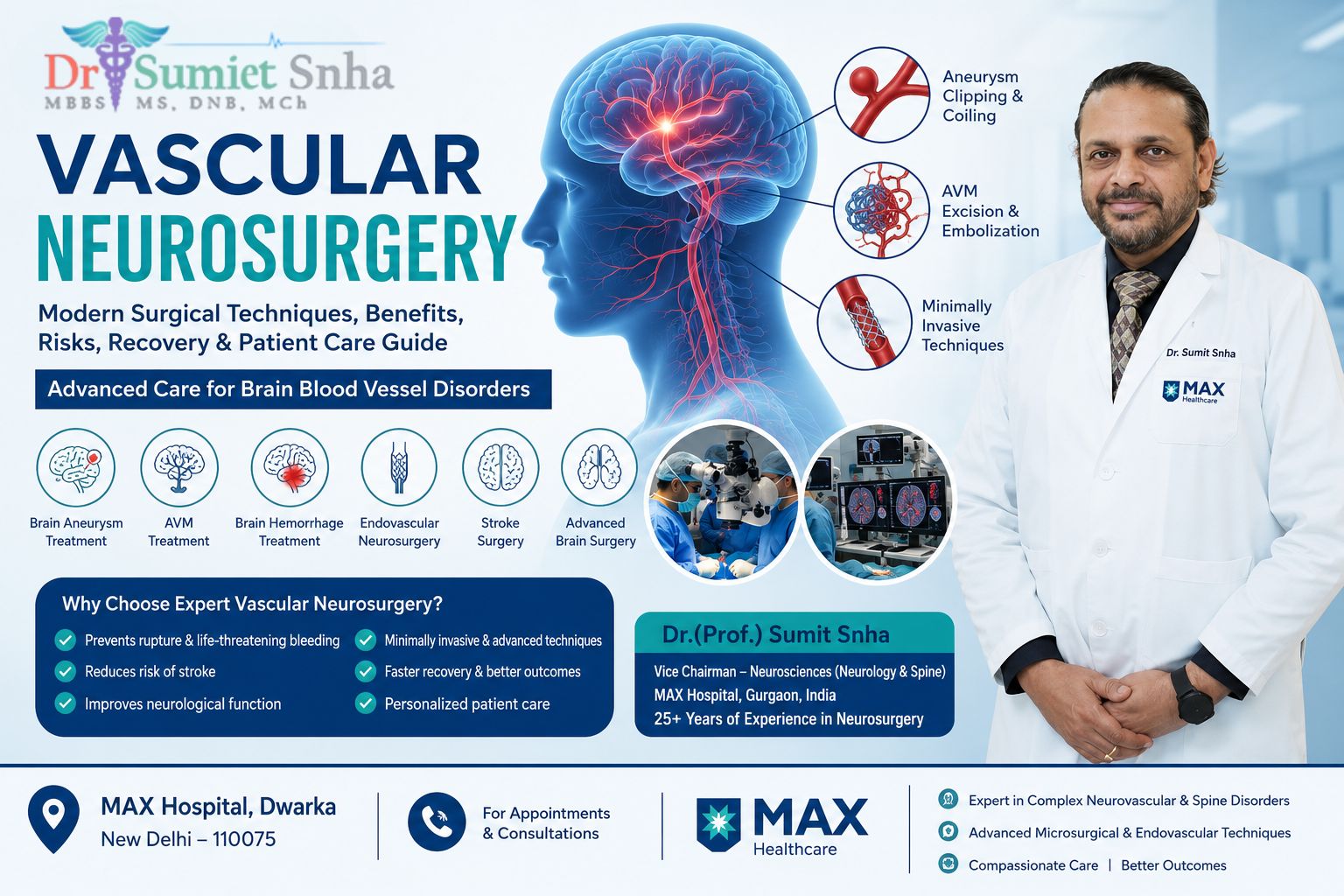
Vascular Neurosurgery Modern Surgical Techniques Benefits Risks Recovery and Patient Care Guide
Vascular Neurosurgery is a highly specialized branch of neurosurgery that focuses on diagnosing and treating diseases affecting the blood vessels of the brain and spinal cord. Best Neurosurgeon for Vascular Neurosurgery plays a vital role in helping patients receive timely evaluation and personalized treatment for complex Brain Blood Vessel Disorders, reducing the risk of stroke, brain hemorrhage, and other life-threatening neurological complications. For patients in Dwarka Delhi NCR, early access to expert neurovascular care can significantly improve treatment outcomes and long-term quality of life.
Modern Vascular Neurosurgery combines advanced microsurgical and minimally invasive endovascular techniques to manage conditions such as brain aneurysms, arteriovenous malformations, and other cerebrovascular disorders with greater precision and safety. This comprehensive guide explains the causes, symptoms, diagnosis, modern surgical techniques, benefits, potential risks, recovery process, and essential patient care, helping readers make informed healthcare decisions through evidence-based information.
Understanding Vascular Neurosurgery
Vascular Neurosurgery is a specialized field that focuses on diagnosing and treating diseases affecting the blood vessels of the brain and spinal cord. These delicate blood vessels, including arteries and veins, are responsible for delivering oxygen-rich blood and essential nutrients that keep brain cells functioning properly. When blood circulation is disrupted due to aneurysms, arteriovenous malformations, narrowing of arteries, or other Brain Vascular Disorders, the risk of stroke, bleeding, and permanent neurological damage increases significantly. Timely evaluation is essential to protect brain function and prevent serious complications.
What Is Vascular Neurosurgery
Cerebrovascular Surgery and Neurovascular Surgery involve advanced surgical and minimally invasive techniques designed to restore healthy blood flow, repair damaged blood vessels, or prevent vessel rupture before life-threatening events occur. Because many Brain Blood Vessel Disorders may develop silently or produce only mild early symptoms, prompt diagnosis and treatment play a crucial role in improving outcomes, preserving neurological function, and reducing the risk of long-term disability. Advances in modern neurovascular care have made treatment safer, more precise, and increasingly effective for a wide range of complex vascular conditions.
Conditions Treated with Vascular Neurosurgery
Vascular Neurosurgery is used to diagnose and manage a wide range of complex conditions affecting the brain's blood vessels. Treatment plans are individualized based on the location, size, severity, and risk of each condition. Modern surgical and endovascular techniques aim to restore healthy blood flow, reduce the risk of bleeding or stroke, and preserve neurological function. Some conditions require immediate intervention, while others may be monitored until treatment becomes necessary. Common conditions treated include:
- Brain Aneurysm and Intracranial Aneurysm, where weakened blood vessel walls may rupture and require Brain Aneurysm Surgery or advanced Cerebral Aneurysm Treatment.
- Cerebral AVM (Arteriovenous Malformation), an abnormal connection between arteries and veins that may be treated through Brain AVM Treatment or AVM Surgery.
- Brain Hemorrhage caused by ruptured blood vessels requiring urgent neurosurgical care.
- Cavernous Malformation, which can increase the risk of seizures or recurrent bleeding.
- Dural AV Fistula, an abnormal vascular connection affecting blood flow around the brain.
- Moyamoya Disease, a rare disorder that gradually narrows major brain arteries.
- Stroke related vascular disorders, where selected patients may benefit from specialized neurovascular procedures to improve circulation and reduce future complications.
Symptoms That May Require Vascular Neurosurgery
Many Brain Blood Vessel Disorders develop without obvious warning signs, while others cause sudden neurological symptoms that require immediate medical attention. Recognizing these symptoms early can help prevent permanent brain damage and improve treatment outcomes. Emergency evaluation is especially important because conditions such as a ruptured aneurysm, brain hemorrhage, or acute stroke can become life-threatening within minutes. Seek urgent medical care if you experience any of the following symptoms:
- Sudden severe headache, often described as the worst headache ever experienced.
- Loss of consciousness or sudden collapse.
- Weakness or paralysis affecting the face, arm, or leg.
- Sudden vision changes, including blurred or double vision.
- Difficulty speaking or understanding speech.
- Seizures without a known cause.
- Loss of balance, dizziness, or difficulty walking.
- Facial weakness or facial drooping.
- Numbness or tingling on one side of the body.
- Sudden confusion, memory problems, or altered mental status.
These emergency symptoms may indicate the need for urgent Brain Hemorrhage Treatment, Stroke Surgery, or other specialized neurovascular interventions to reduce the risk of permanent neurological complications.
Diagnosis of Brain Vascular Disorders
Diagnosing Brain Vascular Disorders requires a detailed evaluation to identify the exact cause, location, and severity of the condition before treatment begins. A Neurovascular Specialist typically starts by reviewing the patient's medical history, symptoms, family history, and risk factors, followed by a comprehensive neurological examination to assess brain and nerve function. Advanced imaging tests such as MRI, CT Scan, CT Angiography (CTA), MR Angiography (MRA), and Digital Subtraction Angiography (DSA) provide highly detailed images of the brain's blood vessels, helping detect aneurysms, arteriovenous malformations, narrowing of arteries, or abnormal vascular connections. In addition, blood investigations may be performed to evaluate underlying medical conditions that could affect treatment planning. An accurate diagnosis enables the Brain Surgery Specialist to select the safest and most effective treatment approach, ensuring personalized Neurosurgery Treatment in Delhi NCR while minimizing the risk of complications and improving long-term neurological outcomes.
Modern Surgical Techniques in Vascular Neurosurgery
Modern Vascular Neurosurgery combines highly advanced surgical methods with innovative technology to treat complex brain blood vessel conditions more safely and accurately. The choice of procedure depends on the patient's diagnosis, the location of the vascular abnormality, and overall neurological health. Today's treatment approaches focus on minimizing complications, preserving healthy brain tissue, and supporting faster recovery whenever possible.
Microsurgical Procedures
Microsurgical techniques are commonly used for complex vascular abnormalities that require direct access to the affected blood vessels. Microsurgical Clipping is performed to permanently isolate a brain aneurysm from normal blood circulation, reducing the risk of rupture. Brain Bypass Surgery may be recommended when blood flow to the brain needs to be restored due to blocked or narrowed arteries. AVM excision involves carefully removing an arteriovenous malformation while preserving surrounding healthy brain tissue.
Endovascular Procedures
Endovascular Neurosurgery offers minimally invasive treatment through catheter-based techniques inserted via a blood vessel. Depending on the condition, specialists may perform coiling to seal an aneurysm, place flow diverters to redirect blood away from weakened vessel walls, or use embolization to block abnormal blood vessels before or instead of surgery.
Advanced Technology
Modern neurovascular procedures are supported by sophisticated technologies, including high-definition surgical microscopes, neuronavigation systems, intraoperative monitoring, and hybrid operating rooms. These innovations improve surgical precision, enhance patient safety, and contribute to more successful Advanced Brain Surgery outcomes with better preservation of neurological function.
Benefits and Risks of Vascular Neurosurgery
Vascular Neurosurgery plays a crucial role in treating serious Cerebrovascular Disorders by reducing the risk of life-threatening complications and preserving brain function. The primary benefits include preventing the rupture of weakened blood vessels, lowering the risk of stroke, improving neurological function, and relieving symptoms caused by abnormal blood flow. Successful treatment can also enhance daily activities, support long-term independence, and improve overall quality of life while increasing the chances of long-term survival for many patients.
Potential Risks and Complications
Like all major medical procedures, vascular surgery carries certain risks. Possible complications may include bleeding, infection, stroke, seizures, or temporary neurological deficits such as weakness, numbness, or speech difficulties. However, these risks are not the same for every individual. They vary depending on factors such as the patient's overall health, age, underlying condition, the complexity of the procedure, and the location of the vascular abnormality. Careful evaluation and personalized treatment planning help minimize potential risks and improve surgical outcomes.
Recovery After Vascular Neurosurgery
Recovery after Neurovascular Surgery varies depending on the patient's condition, the type of procedure performed, and overall health. Following Advanced Brain Surgery, many patients initially receive close observation in the Intensive Care Unit (ICU), followed by a hospital stay to monitor neurological function and overall recovery. Effective pain management, early physiotherapy, and personalized rehabilitation programs help restore strength, balance, and daily functioning. Regular follow-up scans are performed to assess healing and ensure the treated blood vessels remain stable. Patients are also advised to follow prescribed medications, adopt healthy lifestyle changes, and attend scheduled follow-up appointments. The timeline for returning to work or normal activities differs for each individual, but careful adherence to medical advice supports a safer and smoother recovery. Patients undergoing Brain Stroke Treatment may require a longer rehabilitation period depending on the extent of neurological recovery.
Typical Recovery Timeline
|
Recovery Stage |
What to Expect |
|
ICU Care |
Continuous monitoring of neurological status and vital signs during the first 24–48 hours. |
|
Hospital Stay |
Usually lasts several days, depending on the procedure and recovery progress. |
|
Pain Management |
Medications help control discomfort while supporting safe healing. |
|
Physiotherapy and Rehabilitation |
Exercises improve mobility, coordination, strength, and independence. |
|
Follow-up Scans |
MRI, CT, or angiography may be scheduled to evaluate treatment success. |
|
Lifestyle and Medications |
Healthy habits and strict medication adherence reduce the risk of future complications. |
|
Return to Work |
Timing varies based on recovery, occupation, and the treating neurosurgeon's advice. |
Tips to Reduce the Risk of Brain Vascular Disorders
Although not all Brain Blood Vessel Disorders can be prevented, adopting a healthy lifestyle can significantly reduce the risk of developing many Cerebrovascular Disorders. Maintaining well-controlled blood pressure and managing diabetes are essential for protecting the brain's blood vessels. A balanced diet rich in fruits, vegetables, whole grains, and lean proteins, combined with regular exercise, supports cardiovascular and neurological health. Quitting smoking, limiting alcohol consumption, maintaining healthy cholesterol levels, and practicing effective stress management further help lower vascular risk. Regular health checkups enable early detection of underlying conditions, allowing timely intervention and preventive care to protect long-term brain health and reduce the likelihood of serious neurological complications.
When Should You Consult the Best Neurosurgeon for Vascular Neurosurgery
Consulting the Best Neurosurgeon for Vascular Neurosurgery is essential if you experience symptoms that may indicate a serious brain vascular condition. Prompt evaluation can help diagnose problems early, reduce the risk of permanent neurological damage, and improve treatment outcomes. Seek immediate medical attention if you have a sudden severe headache, a confirmed brain aneurysm diagnosis, stroke symptoms, an arteriovenous malformation (AVM), brain bleeding, recurrent seizures, a strong family history of vascular disorders, or sudden neurological deficits such as weakness, vision changes, or difficulty speaking. Patients looking for an experienced Neurosurgeon in Dwarka or Dwarka Delhi NCR should choose a specialist with extensive expertise in advanced neurovascular care and evidence-based treatment planning.
About the Specialist
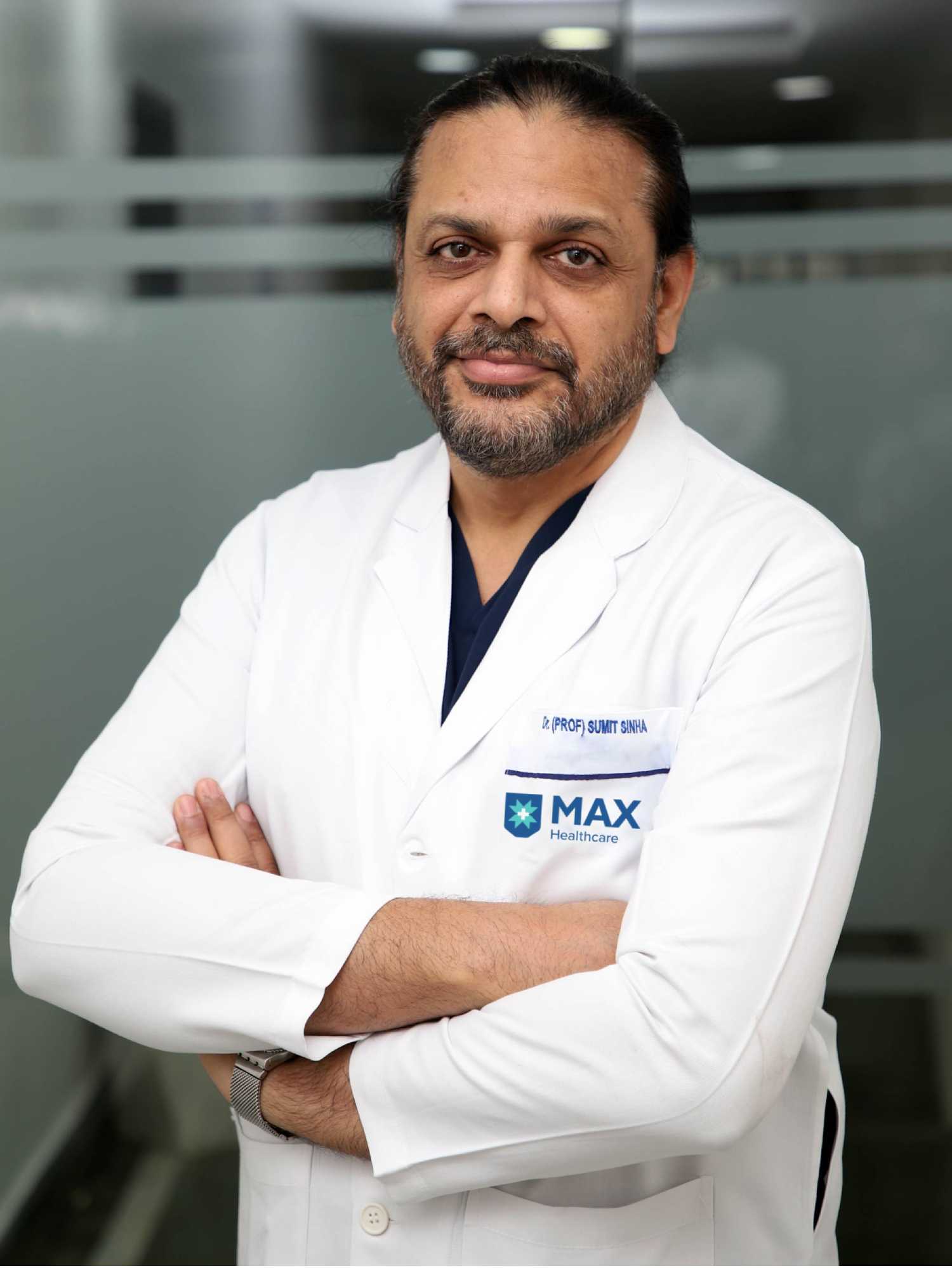
Dr. (Prof.) Sumiet Snha is a highly experienced neurosurgeon with more than 25+ years of expertise in the diagnosis and treatment of complex brain and spine disorders.
- Vice Chairman – Neurosciences (Neurology & Spine), MAX Hospital, Gurgaon, India
- Principal Director – Neuro & Spine Surgery, MAX Hospital, Dwarka, New Delhi
- Former Director – Neuro & Spine Surgery, Paras Health, Gurugram, Haryana
- Former Professor, Department of Neurosurgery, All India Institute of Medical Sciences (AIIMS), New Delhi
- Secretary, Neurotrauma Society of India
- Founder Secretary, Indian Society of Peripheral Nerve Surgery
- Founder Faculty In-charge, Cadaver Training and Research Facility, AIIMS JPNA Trauma Centre
- Core Committee Member for the National Guidelines on Traumatic Brain Injury
- Extensive expertise in minimally invasive spine surgeries and advanced neurovascular procedures
- Successfully treated more than 250 complex peripheral nerve injury cases with high success rates
- Focuses on techniques that help reduce surgical trauma, minimize postoperative pain, and support faster recovery through personalized patient care
Frequently Asked Questions
1. What is Vascular Neurosurgery?
Vascular Neurosurgery is a specialized branch of neurosurgery that focuses on diagnosing and treating disorders affecting the blood vessels of the brain and spinal cord, including aneurysms, AVMs, and other cerebrovascular conditions.
2. What conditions require Vascular Neurosurgery?
Common conditions include brain aneurysms, arteriovenous malformations (AVMs), brain hemorrhage, cavernous malformations, dural AV fistulas, Moyamoya disease, and certain stroke-related vascular disorders.
3. What is a brain aneurysm?
A brain aneurysm is a weakened area in a brain artery that bulges outward. If it ruptures, it can cause life-threatening bleeding and requires immediate medical treatment.
4. What is an AVM?
An arteriovenous malformation (AVM) is an abnormal connection between arteries and veins that disrupts normal blood flow and may increase the risk of bleeding or seizures.
5. Is Vascular Neurosurgery safe?
Modern Vascular Neurosurgery is generally considered safe when performed by an experienced neurosurgical team. Treatment planning is personalized to minimize risks and improve outcomes.
6. What is endovascular neurosurgery?
Endovascular neurosurgery is a minimally invasive technique in which specialists treat brain blood vessel disorders using catheters inserted through blood vessels rather than large surgical incisions.
7. How long does recovery take after Vascular Neurosurgery?
Recovery varies depending on the condition and treatment method. Some patients recover within a few weeks, while others may require several months of rehabilitation and follow-up care.
8. What are the risks of Brain Aneurysm Surgery?
Possible risks include bleeding, infection, stroke, seizures, blood vessel injury, and temporary neurological deficits. The overall risk depends on the patient's condition and the complexity of the procedure.
9. Can Vascular Neurosurgery prevent stroke?
Yes. Treating conditions such as aneurysms, AVMs, or narrowed blood vessels can significantly reduce the risk of future stroke and other serious neurological complications.
10. When should I consult the Best Neurosurgeon for Vascular Neurosurgery?
You should seek specialist evaluation if you experience a sudden severe headache, stroke symptoms, recurrent seizures, unexplained neurological weakness, or if imaging has identified a brain aneurysm or AVM.
11. Is Brain AVM Treatment always surgical?
No. Treatment depends on the AVM's size, location, symptoms, and bleeding risk. Some patients may benefit from observation, radiosurgery, endovascular treatment, or microsurgery.
12. Can minimally invasive techniques reduce recovery time?
In many suitable cases, minimally invasive endovascular procedures may reduce tissue trauma, shorten hospital stays, and support faster recovery compared with traditional open surgery
Conclusion
Vascular Neurosurgery has transformed the treatment of complex brain blood vessel disorders through continuous advances in microsurgical and endovascular techniques. Early diagnosis is essential because timely treatment can help prevent serious complications and improve long-term neurological health. It is important to remember that not every vascular condition requires open surgery, as many patients may benefit from minimally invasive procedures or careful monitoring based on their individual diagnosis. Consulting the Best Neurosurgeon for Vascular Neurosurgery ensures a personalized treatment plan tailored to each patient's needs. Whether considering Brain Aneurysm Surgery or other forms of Neurovascular Surgery, patients in Dwarka, Delhi NCR can make informed healthcare decisions by seeking expert evaluation and evidence-based care.
.jpg)
.jpg)
.jpg)


Write a Comment